Understanding the Basics of 24000 BTU Mini Split Air Conditioners
The 24000 BTU mini split air conditioner is a powerful solution designed for efficiently cooling and heating large spaces. These systems are particularly beneficial for homeowners seeking an effective and energy-efficient way to manage indoor climate. As the demand for both comfort and energy savings grows, understanding how these systems operate can help you choose the best option for your specific needs. When exploring options, 24000 btu mini split air conditioner provides comprehensive insights into what to look for in a cooling system.
What is a Mini Split Air Conditioner?
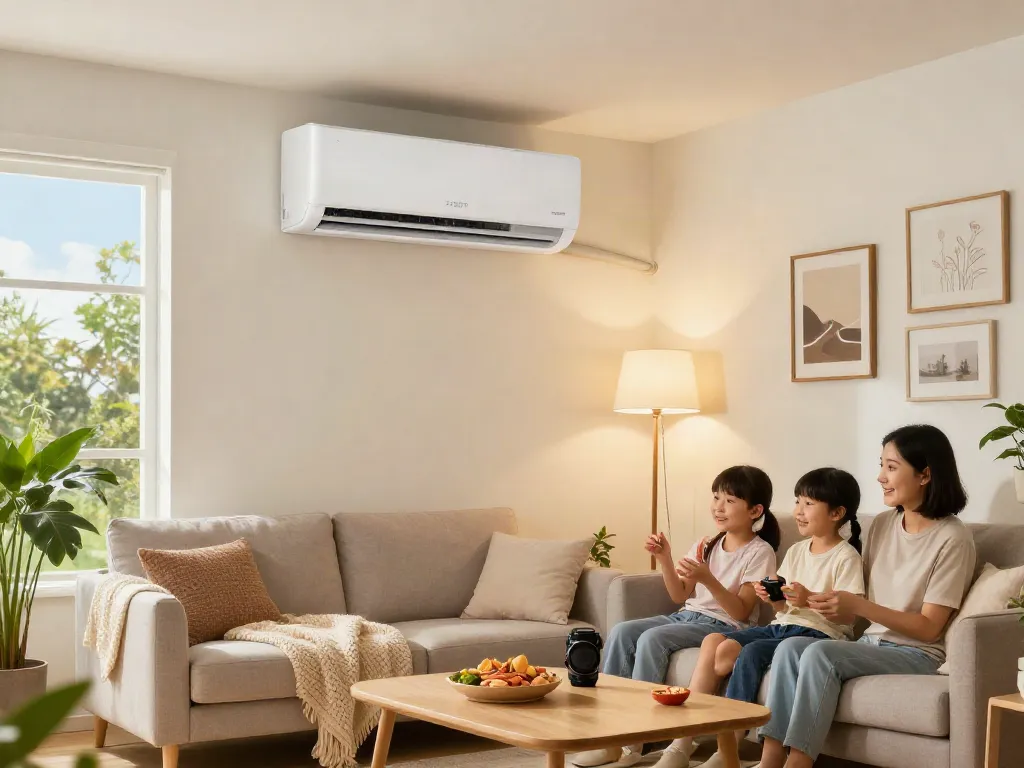
A mini split air conditioner is a type of ductless HVAC system that consists of an outdoor condenser unit and one or more indoor air handling units. This design allows for the effective distribution of conditioned air throughout a given space without the need for ductwork. Mini splits are especially popular for retrofitting older homes or for spaces where traditional duct systems are impractical or too costly to install. Each indoor unit can be controlled independently, offering customized heating and cooling options for different rooms.
How Does a 24000 BTU Unit Compare to Other BTU Ratings?
BTU, or British Thermal Unit, measures the cooling or heating capacity of an air conditioning system. A 24000 BTU unit, equivalent to 2 tons, is well-suited for larger areas, typically cooling spaces of about 1000 to 1500 square feet. In contrast, smaller units, such as 12000 BTU or 18000 BTU systems, are designed for smaller spaces. The choice of BTU rating is critical because oversizing or undersizing can lead to inefficiencies, higher energy costs, and uncomfortable indoor conditions.
The Importance of SEER Ratings in Performance
Seasonal Energy Efficiency Ratio (SEER) is a measure of cooling efficiency over an entire cooling season. Higher SEER ratings indicate more efficient units, leading to lower energy bills. For example, a 24000 BTU mini split air conditioner with a SEER rating of 18 may provide significant cost savings compared to a unit with a SEER of 14. In 2026, energy efficiency standards are likely to tighten, making higher SEER-rated units increasingly desirable for cost-conscious and environmentally aware consumers.
Assessing Your Space for a 24000 BTU Mini Split Installation
Optimal Room Size for Effective Cooling
Before purchasing a 24000 BTU mini split air conditioner, it’s essential to assess the size of the area you intend to cool. As mentioned earlier, this unit is designed for spaces ranging from 1000 to 1500 square feet. Measuring the square footage accurately ensures that the system will operate efficiently. Utilizing tools such as online BTU calculators can provide valuable insights into the necessary cooling power for your home.
Factors Affecting Air Conditioner Efficiency
Several factors influence how effectively your mini split air conditioner operates, including insulation quality, window orientation, and local climate. Proper insulation helps maintain temperature control and reduces the workload on the air conditioner. Additionally, how much sunlight a room receives can significantly impact cooling needs, with sun-drenched rooms requiring more powerful cooling solutions.
Common Misconceptions About Mini Split Systems
Many homeowners hesitate to install mini split systems due to misconceptions. One common myth is that these systems are excessively noisy. In reality, modern mini splits operate quietly, often much quieter than traditional window units. Another misconception is that they require extensive maintenance. While regular maintenance is essential, it is similar to that of traditional HVAC systems, not more burdensome.
Key Features and Specifications to Look For
Energy Efficiency and Cost Savings Potential
When evaluating a 24000 BTU mini split air conditioner, energy efficiency should be a top priority. Look for units with high SEER ratings as they not only save on energy bills but often qualify for local energy rebates. Moreover, inverter-driven systems are designed to adjust their speed according to cooling demand, further enhancing their efficiency and performance.
Noise Levels and Indoor Comfort
Noise levels are a critical factor for many consumers. Choose a mini split system that operates at low decibel levels. Many modern units come equipped with sound-dampening technology to minimize operational noise, ensuring a comfortable indoor environment. Additionally, consider the design and aesthetic appeal of the indoor units, as they will be part of your living space.
Remote Control and Smart Features
In today’s tech-savvy world, smart features are becoming increasingly popular. Many mini split air conditioners now offer Wi-Fi connectivity, allowing users to control their systems remotely via smartphone applications. This feature not only adds convenience but also lets users monitor energy consumption and adjust settings for optimal performance.
Installation and Maintenance Best Practices
Professional Installation vs. DIY Options
While some homeowners may consider DIY installation, professional installation is highly recommended for mini split systems. A professional technician will ensure proper sizing, placement, and installation, which is crucial for optimal performance. Moreover, improper installation can void warranties and lead to costly repairs down the line.
Routine Maintenance Tips for Longevity
Regular maintenance is vital for extending the lifespan of your mini split air conditioner. This includes cleaning or replacing filters every few months, checking for refrigerant leaks, and ensuring that the outdoor unit is free from obstructions like dirt and debris. Scheduling annual professional inspections can also help identify potential issues before they become serious problems.
Understanding Warranty and Service Agreements
Before purchasing a mini split system, it is essential to understand the warranty and service agreements provided by the manufacturer. Different manufacturers offer varying levels of warranty coverage, and it’s crucial to choose a unit that offers protection against defects and operational failures.
Future Trends in Mini Split Technology for 2026 and Beyond
Advancements in Smart Home Integration
As smart home technology continues to evolve, future mini split systems are expected to offer even greater integration. Enhanced features such as voice control through platforms like Amazon Alexa and Google Assistant will become more common, enabling seamless operation within smart home ecosystems.
Emerging Energy Efficiency Standards
With increasing environmental awareness, new energy efficiency standards are being implemented across HVAC industries. In the coming years, consumers may be required to consider units that not only meet but exceed current standards, making energy-efficient 24000 BTU mini split air conditioners even more valuable.
Consumer Preferences Shaping Market Dynamics
Understanding consumer preferences will influence the direction of mini split technology. Features like improved air filtration systems, eco-friendly refrigerants, and customizable operation modes will likely become standard as consumers seek healthier and more energy-efficient living environments.
What is the average lifespan of a 24000 BTU mini split air conditioner?
The average lifespan of a 24000 BTU mini split air conditioner typically ranges from 15 to 20 years when properly maintained. Regular care and quality installation play significant roles in achieving a long-lasting unit.
How often should I service my mini split unit?
It is advisable to service your mini split unit at least once a year. This ensures that all components are functioning correctly and helps identify any potential issues before they escalate.
Are there energy-saving tips for using my mini split air conditioner?
To maximize energy savings, set your thermostat to a higher temperature when you are away, use natural ventilation during cooler months, and ensure proper insulation in your home.
What size generator do I need for a 24000 BTU unit?
A generator providing between 5000 to 7000 watts is typically sufficient to power a 24000 BTU mini split air conditioner. This ensures that the unit operates efficiently during power outages.
What are the benefits of choosing a ductless system?
Ductless systems offer several benefits, including easier installation, improved energy efficiency, and the ability to control temperatures in individual rooms, providing customized comfort levels throughout your home.