
Understanding the Role of a New Jersey General Contractor
What Does a General Contractor Do?
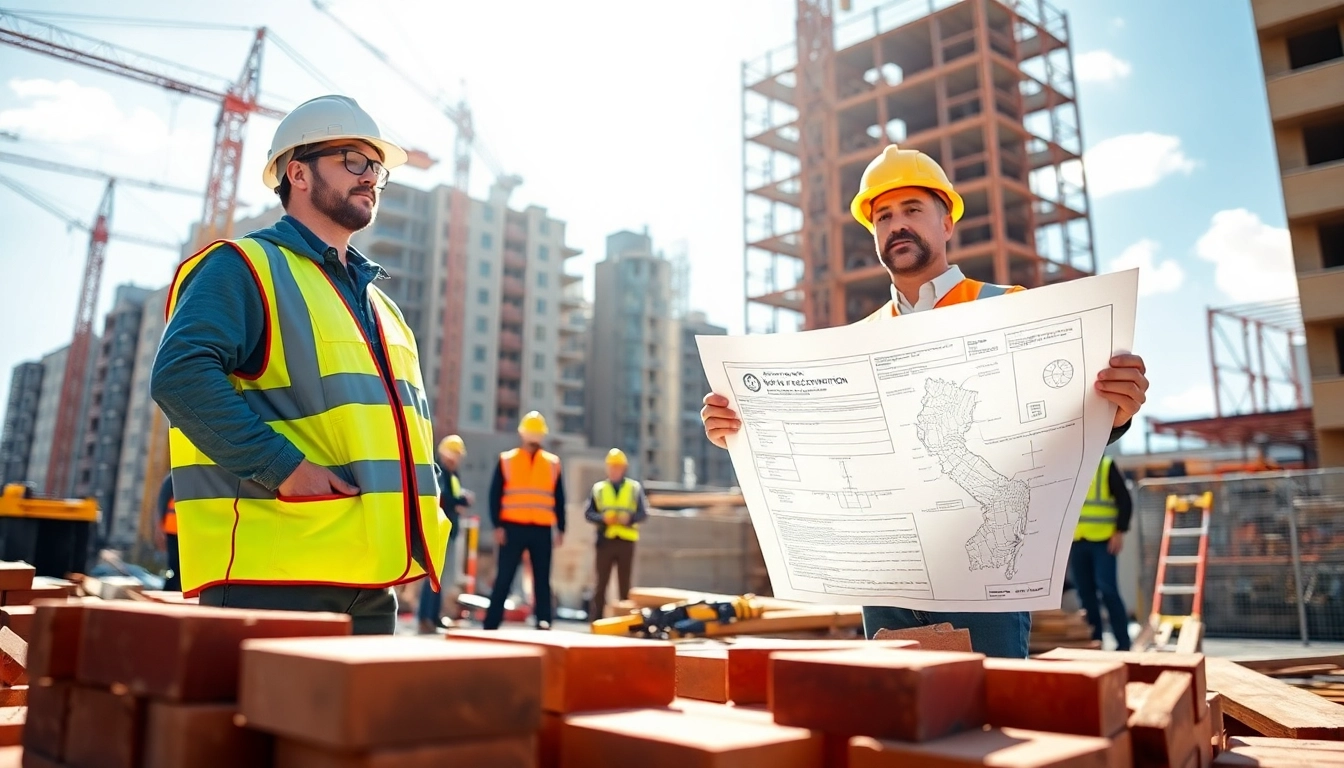
A general contractor is the individual or company responsible for the overall coordination of a construction project. They act as the main point of communication between subcontractors, suppliers, and clients. When you hire a New Jersey General Contractor, you gain a professional who is well-versed in managing the complexities of construction from start to finish. This includes planning, scheduling, and ensuring that regulations are met throughout the process.
Key Responsibilities and Duties
The responsibilities of a general contractor can vary widely depending on the scale and type of project. Generally, they include:
- Project Management: Overseeing all aspects of a construction project, including scheduling tasks and management of daily activities.
- Hiring Subcontractors: Finding, hiring, and coordinating subcontractors like electricians, plumbers, and carpenters who specialize in specific tasks.
- Budget Management: Keeping the project within budget by estimating costs accurately and managing funds effectively.
- Permitting and Regulations: Ensuring that all necessary permits are secured and that local, state, and federal regulations are followed during construction.
- Quality Control: Overseeing workmanship, conducting inspections, and ensuring adherence to quality standards.
The Importance of Licensing and Certification
Licensing and certification are critical aspects for any general contractor in New Jersey. They assure clients of the contractor’s qualifications and commitment to industry standards. It’s essential to check that the contractor holds valid licenses granted by the state, which can include general contractor licenses, specific trade licenses, and certifications from recognized trade organizations. Licensed contractors are held accountable for their work, which provides an added layer of security for the client.
How to Choose Your New Jersey General Contractor
Evaluating Experience and Expertise
When selecting a general contractor, it’s crucial to evaluate their experience and expertise. Look for contractors who have extensive experience specifically in the type of project you are planning. For instance, if you are remodeling a residential home, seek contractors who have a portfolio reflecting similar projects. This not only demonstrates their capabilities but also their familiarity with regulations and common challenges that may arise.
Checking References and Reviews
Gathering references and reading reviews can provide valuable insights into a contractor’s reliability, quality of work, and professionalism. Ask for a list of past clients and make sure to contact them. Inquire about their experiences, any issues they faced during the project, and how effectively the contractor resolved those issues. Online reviews on platforms like Google, Yelp, or Angie’s List can also help paint a clearer picture of their reputation.
Understanding Pricing Models
Pricing models can vary significantly across general contractors, and understanding them is essential for budgeting. Common pricing structures include:
- Fixed-Price Contracts: A set price is agreed upon before the project begins, covering all aspects of construction.
- Cost-Plus Contracts: The contractor is paid for actual costs incurred plus a fee that covers their overhead and profit margin.
- Time and Materials Contracts: Clients pay for the time spent and materials used, typically used for projects with uncertain timelines or scope.
Understanding these models will help you align your budget with expectations and ensure transparency throughout the project.
The Benefits of Hiring a Local New Jersey General Contractor
Community Knowledge and Insight
Hiring a local contractor brings significant advantages, starting with their knowledge of the community. Local contractors are familiar with local building codes, zoning laws, and permit requirements. This familiarity can streamline the construction process and prevent delays that might arise from regulatory compliance issues.
Accessibility and Communication
Local contractors offer greater accessibility. This proximity means you’ll have the opportunity for direct communication, allowing you to discuss project updates, concerns, or adjustments in a more timely manner. Regular face-to-face meetings can foster better understanding and collaboration between you and the contractor.
Supporting Local Businesses
By hiring a local general contractor, you contribute to the local economy. Supporting businesses within your community helps create jobs and fosters economic growth. Additionally, local contractors are often more invested in their reputation, offering greater accountability and a commitment to quality.
Common Challenges with General Contractors
Managing Project Timelines
One common challenge faced when working with general contractors is the management of project timelines. Construction projects can often experience delays due to various factors such as weather conditions, supply chain issues, or unexpected repairs. To mitigate these challenges, it’s essential to establish a clear timeline during the planning phase and frequently communicate with the contractor to ensure the project stays on track.
Dealing with Budget Overruns
Budget overruns can happen for a variety of reasons, from unexpected changes in project scope to rising material costs. It’s important to have a contingency budget set aside to cover unforeseen expenses. Regular financial updates from your contractor can also help you stay informed about any changes that may impact your budget.
Ensuring Quality Control
Quality control is paramount in any construction project. Inconsistencies in workmanship can lead to costly repairs down the line. To ensure quality, make it part of your initial conversations with your contractor. Request regular inspections and updates throughout the construction process to maintain high standards and proper adherence to project specifications.
FAQs About New Jersey General Contractors
How do I know if a contractor is reputable?
Look for online reviews, ask for references, and check licenses. A reputable contractor should have a solid track record and positive feedback from past clients.
What should I prepare for initial meetings?
Bring project ideas, budgets, and timelines to discuss your vision. Clear communication from the start can set the project in a positive direction.
Can I manage the project myself?
While it’s possible, contractors handle complexities to ensure efficiency. Their expertise can save you time and prevent potential headaches.
What are typical payment structures?
Payment can be hourly, fixed-price, or based on milestones achieved. Discuss these structures upfront to avoid any confusion later.
How long does a project usually take?
Timeline varies by project size but expect several weeks to months. Discuss specific durations during your initial consultations for better planning.


