
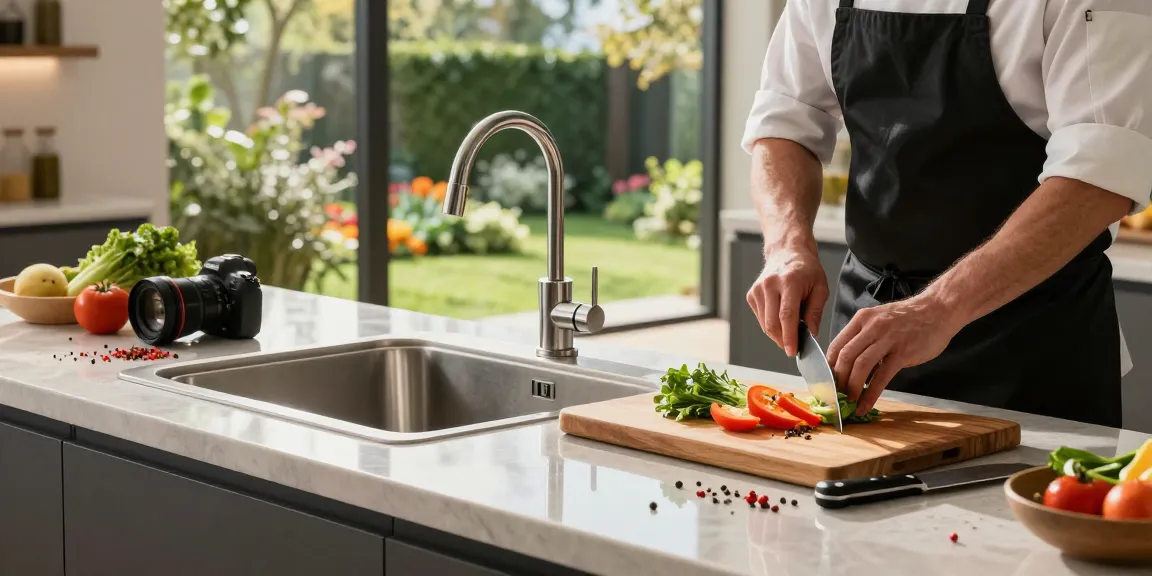
Understanding the Benefits of a Kitchen Sink in Stainless Steel
When it comes to designing a functional and beautiful kitchen, selecting the right sink is a crucial decision. A kitchen sink in stainless steel offers a myriad of advantages that make it a popular choice among homeowners and designers alike. Not only does it seamlessly blend with various kitchen styles, but it is also renowned for its durability and ease of maintenance. In this article, we will delve into the numerous benefits of stainless steel sinks, helping you understand why they should be at the top of your list when renovating or designing your kitchen.
Durability and Longevity in Daily Use
Stainless steel sinks are celebrated for their exceptional durability, making them an ideal choice for high-traffic kitchens. Unlike porcelain or ceramic sinks, which can chip or crack under heavy use, stainless steel can withstand the rigors of daily cooking and cleaning. The material is inherently strong, allowing it to resist dents, scratches, and other forms of damage. This resilience translates to a long lifespan, often lasting decades with the proper care.
Resistance to Corrosion and Stains
Another significant advantage of stainless steel sinks is their resistance to corrosion and staining. The non-porous surface of stainless steel prevents food particles, bacteria, and moisture from penetrating, which can lead to rust and discoloration. This property ensures that your sink maintains its sleek appearance even after years of use. Furthermore, the easy-to-clean surface allows for quick maintenance, making it an attractive option for busy kitchens.
Maintenance Tips for Stainless Steel Sinks
While stainless steel sinks are relatively low-maintenance, there are several tips to extend their life and maintain their shine. Regularly cleaning the sink with a soft sponge or cloth and a mild detergent will prevent buildup and stains. It’s advisable to avoid abrasive cleaners that can scratch the surface. Instead, consider using a mixture of vinegar and baking soda for tough stains. Additionally, applying a thin coat of mineral oil can enhance the sheen and protect against fingerprints.
Choosing the Right Style of Stainless Steel Sink
With a variety of styles available, selecting the right stainless steel sink can be overwhelming. However, understanding your kitchen’s layout and your specific needs can help narrow down your choices. The configuration, mounting style, and design features are all important aspects that influence both aesthetics and functionality.
Top-Mount vs. Undermount: Which is Best for You?
One of the first decisions you’ll face is choosing between top-mount and undermount sinks. Top-mount sinks are easier to install and typically more affordable, featuring a rim that sits above the countertop. In contrast, undermount sinks are installed beneath the counter, creating a clean, seamless look that is visually appealing. However, the installation of undermount sinks may require professional assistance, particularly if your countertop is made of a material that requires additional care.
Single Bowl vs. Double Bowl Configurations
Finding the right bowl configuration is essential for optimizing your kitchen workflow. Single bowl sinks are ideal for smaller kitchens or for those who prioritize a large basin for washing pots and pans. On the other hand, double bowl sinks provide the flexibility to separate washing and rinsing activities or accommodate multiple tasks simultaneously. Your choice will depend largely on your cooking habits and kitchen dimensions.
Unique Designs and Features to Consider
In addition to basic configurations, consider the unique styles and features available. Options such as farmhouse sinks, which bring a touch of rustic charm, or modern designs with sleek lines can significantly affect the overall look of your kitchen. Features like built-in cutting boards, grid racks, and drain boards can add convenience and enhance functionality, making meal preparation more efficient.
Installation Insights for Stainless Steel Sinks
Once you’ve chosen the perfect sink, the next step is installation. While some homeowners opt for professional installation to ensure a flawless fit, others may want to tackle the project themselves. Understanding the essentials can help you make an informed decision.
Essential Tools and Materials Needed
Before diving into the installation, gather the necessary tools and materials. Typically, you’ll need a measuring tape, wrench, silicone sealant, plumber’s putty, and a level. Having a dedicated workspace and following safety precautions will streamline the process and make for a more manageable installation experience.
Step-by-Step Installation Process
The installation process varies slightly between top-mount and undermount sinks. For a top-mount sink, start by measuring and cutting the countertop to fit the sink, then secure the sink in place using clips and silicone. For undermount sinks, a solid surface countertop is essential; apply silicone to secure the sink beneath the counter and ensure proper drainage alignment. Always refer to the manufacturer’s guidelines for specific instructions.
Common Mistakes to Avoid During Installation
Many DIY installers make the mistake of improperly aligning the sink, which can lead to drainage issues. Ensure that your sink is level before securing it in place. Additionally, neglecting to use silicone sealant can result in leaks, so apply it generously around the edges to create a watertight seal.
Maintaining Your Stainless Steel Sink
Proper maintenance is key to ensuring your stainless steel sink retains its luster and functionality over the years. Establishing a daily cleaning routine can prevent long-term damage and maintain the sink’s appeal.
Daily Cleaning Routines for a Sparkling Sink
A simple daily routine can go a long way in preserving the beauty of your sink. After each use, rinse the sink with warm water and wipe it down with a soft cloth. For deeper cleanings, consider using a gentle dish soap mixed with water to avoid scratching the surface. Regularly using a soft cloth to dry the sink after cleaning will help prevent water spots from forming.
Dealing with Scratches and Dents
Over time, even the best-maintained sinks can develop scratches or dents. For minor scratches, you can use a fine-grade steel wool pad to buff out the marks, always following the grain of the stainless steel. For deeper scratches or dents, professional refinishing services may be necessary to restore the sink to its original state.
Best Products for Long-lasting Shine
Invest in quality cleaning products specifically designed for stainless steel to help maintain the finish. Look for non-abrasive cleaners and polishes that will provide a protective layer and enhance the shine. Regular application of these products can help your sink resist stains and maintain its sparkling appearance.
Future Trends in Kitchen Sink Design for 2026
As we move further into the future, kitchen sink designs are evolving to incorporate cutting-edge technology and sustainable materials. Here are some trends to watch out for in 2026.
Smart Technology Integration in Kitchen Sinks
Smart home technology is making its way into the kitchen, and sinks are no exception. Expect to see features like touchless faucets that respond to motion, built-in water purification systems, and sinks with integrated sensors that can monitor usage and detect leaks. These innovations can enhance convenience, efficiency, and water conservation in modern kitchens.
Eco-Friendly Materials and Innovations
With increasing emphasis on sustainability, the use of eco-friendly materials in sink production is gaining traction. Manufacturers are exploring alternatives such as recycled stainless steel and biodegradable coatings that reduce environmental impact without sacrificing quality or durability.
Design Trends Influencing Stainless Steel Sinks
Design trends are shifting towards more personalized and aesthetically pleasing choices. A rise in the popularity of colored stainless steel finishes and unique textures is expected, allowing homeowners to express their style while enjoying the practical benefits of stainless steel. Additionally, the use of integrated accessories within sinks, like cutting boards and colanders, continues to dominate, offering enhanced functionality in a compact space.
Is stainless steel a good choice for a kitchen sink?
Absolutely! Stainless steel is one of the most durable and versatile materials available for kitchen sinks, making it an excellent choice for both functionality and aesthetics.
Can I pour boiling water into a stainless steel sink?
While stainless steel is generally heat-resistant, avoid pouring boiling water directly into the sink to prevent the potential for warping or discoloration due to sudden temperature changes.
What are the best practices for maintaining a stainless steel sink?
Regular cleaning with gentle detergents, avoiding abrasive materials, and applying protective products can help maintain the sink’s appearance and longevity.
How does the gauge of stainless steel affect sink durability?
The gauge of stainless steel refers to its thickness; lower gauge numbers indicate thicker material, which typically offers greater durability and resistance to dents and scratches.
What are the installation costs for a stainless steel kitchen sink?
Installation costs can vary widely, depending on sink style and labor rates, but generally range from $100 to $500, inclusive of materials and professional labor.


